







Search Results for: extraction splattering

Why Does Espresso Splatter? Analyzing the Causes of Channeling and Standard Home Extraction Methods
When making espresso at home, many coffee enthusiasts encounter the situation where the coffee liquid suddenly sprays out in all directions—this is actually the work of "channeling." Based on the hands-on experience of Front Street Coffee, this article explains in detail the formation principle of espresso spraying, the uneven extraction problem caused by channeling, and the common causes of this phenomenon, including uneven distribution, overly fine grinding, and static clumping. It also provides a time formula for judging whether the grind setting is appropriate, helping readers make a standard espresso with even extraction and full-bodied flavor at home. [more…]
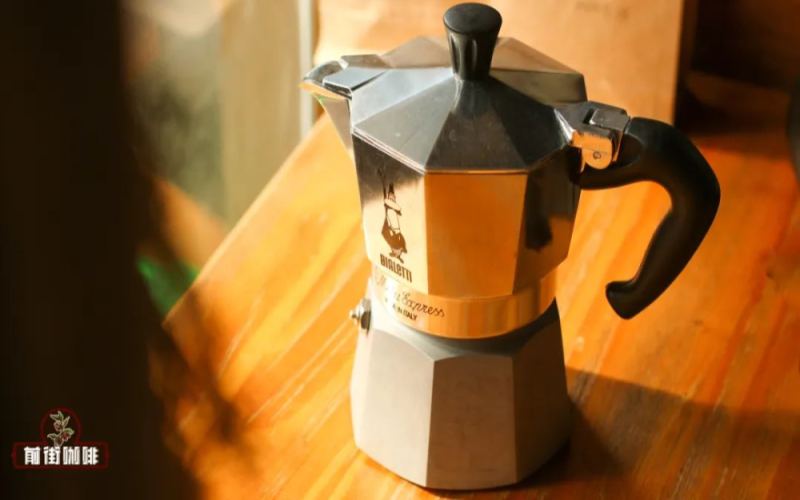
Key Operating Points and Common Troubleshooting for Moka Pot Espresso Extraction: Causes of Splattering, No Liquid Output, and Lack of Crema
The Moka pot, thanks to its pressure-based extraction principle, can produce espresso-like strong coffee at home, and is therefore regarded by many enthusiasts as a budget-friendly alternative to an espresso machine. However, beginners often run into various problems when using it, the most typical being violent spurting of the coffee, no liquid emerging for a long time, and brewed coffee with almost no crema. These issues are usually related to puck resistance, heat control, grind size, and bean freshness. Below, Front Street will analyze the causes of these three common problems one by one and offer corresponding adjustment solutions, along with recommendations for espresso beans suitable for use in a Moka pot. [more…]
A Complete Guide to Brewing Espresso with a Moka Pot: Three Common Issues, Causes of Coffee Splattering, and Solutions
The moka pot uses pressurized extraction to produce a rich coffee close to espresso, and is regarded by many enthusiasts as a home alternative to an espresso machine. In practice it isn't complicated to use, but beginners often run into various problems during the extraction stage that affect the final cup. This article analyzes the three most common issues in moka pot use, including coffee violently spurting out or even forming a jet of water, failing to produce any liquid after a long time on the heat, and the finished brew lacking crema. For each situation, the article gives specific causes and corresponding adjustments, covering key variables such as coffee bean roast level selection, grind size, dose, tamping, and heat control, while also recommending Front Street Classic Blend and Front Street Dark Cocoa Blend as suitable for the moka pot, to help readers consistently make an ideal espresso-style cup. [more…]
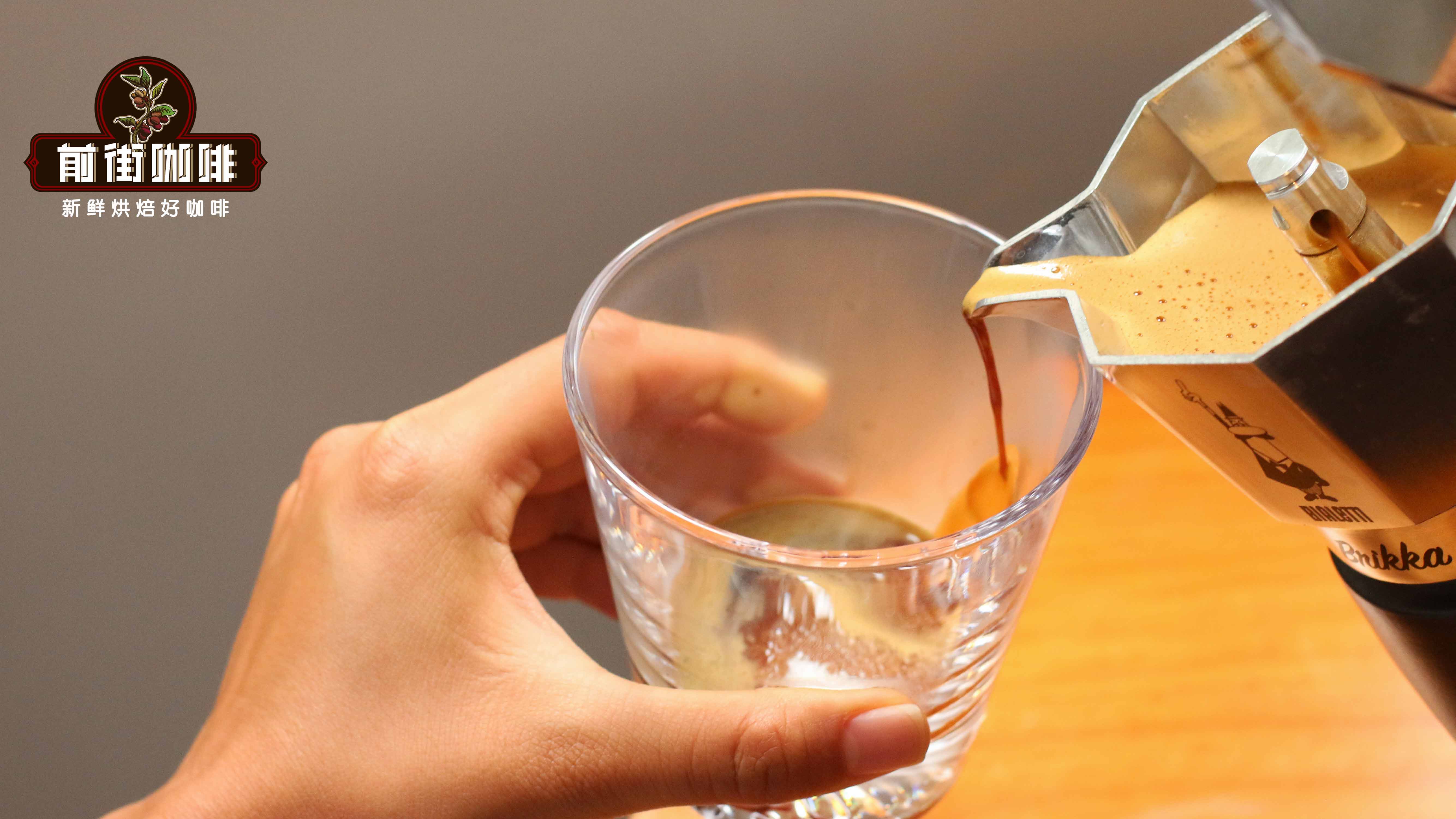
Analysis of the Causes of Moka Pot Coffee Splattering and Sharing of Four Practical Solutions
If your moka pot coffee won't come out after heating, or suddenly erupts in a violent spray, you're not alone—many enthusiasts have run into this problem. What's really behind this phenomenon is closely tied to the pressure in the lower chamber: as the water heats up, it produces steam, and the steam compresses the space to create a pushing force that drives hot water through the coffee bed to become coffee liquid. The stronger the pressure, the more forceful the flow, and when it exceeds what the pot body can withstand, it splashes. So which practices lead to abnormal pressure? And how should you adjust to keep the flow steady and smooth? This article analyzes the causes one by one from four angles—water volume, coffee grind size, bean roast level, and flame intensity—and offers specific, actionable ways to improve. It also recommends espresso blends suited to moka pots to help you make coffee with rich crema and a full-bodied taste. [more…]
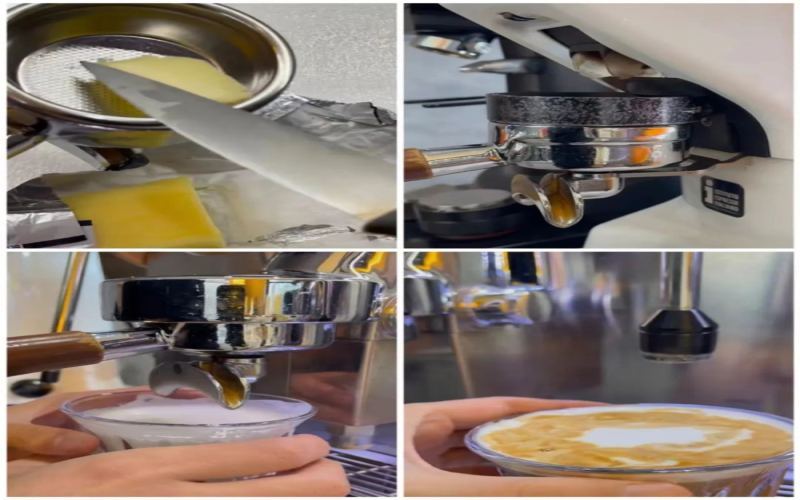
Espresso Machine Turned into a Pasta Maker? A Netizen's Full Record of a Butter Latte Fiasco and Lessons Learned
In recent years, more and more coffee enthusiasts have chosen to buy their own espresso machines at home, starting with espresso and gradually mastering the preparation of drinks like lattes, latte art, and dirty coffee. Recently, a netizen tried to recreate the butter latte commonly seen in coffee shops at home. To skip the wait for butter to soften at room temperature, they had a sudden idea: put a block of butter directly into the portafilter and tamp it together with the coffee grounds for extraction. This method sparked a nationwide copycat challenge, but the results often ended in failure—the butter was squeezed into thin strips by the pressure and shot out from the bottomless portafilter, coffee liquid splattered everywhere, and the countertop was left in a mess. Onlookers joked that the espresso machine had switched careers to become a pasta maker. This article fully documents the process of this creative experiment, the real feedback from netizens, and warm reminders from experienced individuals. If you're also tempted to try it, you might want to first read this compilation by Front Street Coffee before making a decision. [more…]
Moka Pot Coffee Brewing | How long does it take to brew coffee with a Moka pot? What is a normal extraction time for a Moka pot? What should you pay attention to when making Moka pot coffee at home?
The moka pot uses the steam pressure of boiling hot water to pass directly through the coffee grounds, extracting the essence of the coffee. The brewed coffee has a richer taste and aroma, with a thin layer of coffee oils on the surface—this is the charm of Italian coffee. The structure of the moka pot is not complicated; I believe anyone who has seen a moka pot [more…]
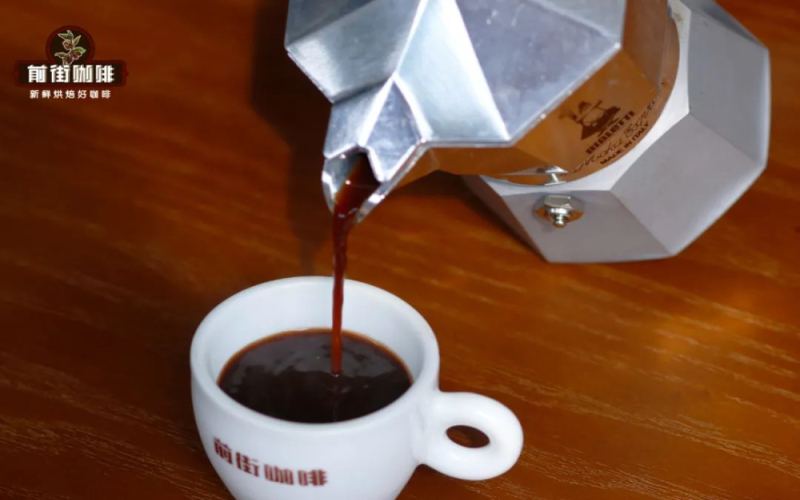
How long does it take to brew coffee with a moka pot? A detailed explanation from principles to operation of extraction time and techniques
The moka pot, with its simple structure and pressure-enhanced extraction, can make a rich, crema-laden cup of coffee at home. But how long does it actually take to brew coffee with a moka pot? There is no fixed number of seconds—the key lies in heat control and observing the flow of the brew. Starting from the Bialetti 3-cup moka pot used at Front Street Coffee stores, this article explains in detail every step: adding water to the bottom chamber, choosing the grind size, filling the filter basket, and operating the heat, while outlining an extraction rhythm of about 3 to 4 minutes. It also shares safety precautions for daily use, cleaning and maintenance methods, and why medium-dark roasted espresso blend beans are better suited to the moka pot. [more…]
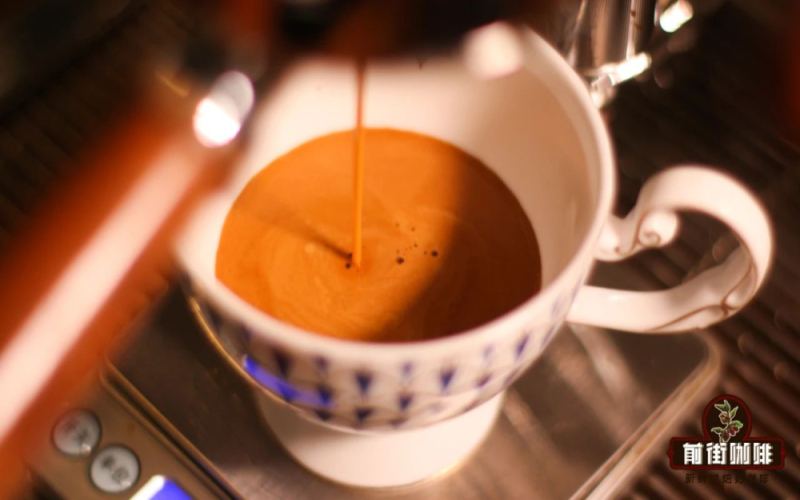
How Does Pressure Influence Espresso Extraction? Analyzing Five Common Faults and the 9-Bar Standard
The extraction quality of espresso is closely tied to pressure, yet various deviations often occur in actual practice. This article starts with five common problems, analyzing one by one the causes behind phenomena such as the sharp acidity of dark-roasted beans, the absence of crema, no liquid output, splashing, and pressure failing to rise, and offers corresponding adjustment approaches. Among these, whether the pressure can be stably maintained above 9 bar directly determines whether the puck resistance is sufficient and whether the espresso reaches the ideal concentration. The article also combines specific beans such as Front Street. Golden Mandheling to explain the relationship between roast level and flavor performance, helping coffee enthusiasts find a balance among variables like grind size, dose, and yield, and extract a cup of espresso with balanced flavor and rich crema. [more…]
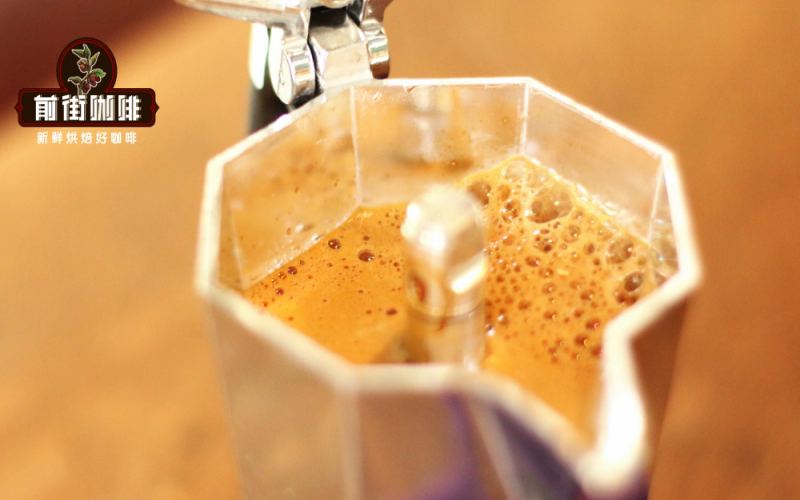
When exactly should you turn off the heat when brewing coffee with a moka pot? Fast flow and whether to tamp the grounds—all explained clearly in one go
The moka pot, Italy's national-level home coffee brewing device, can extract a rich, espresso-like coffee liquid. However, in practice, many enthusiasts are confused about when to turn off the heat, the flow rate of the coffee liquid, and whether tamping is necessary. This article will start with selecting coffee beans suitable for the moka pot, explain in detail how to determine the dose, control the water volume, and provide grinding size reference standards, and then walk through the moka pot coffee-making process step by step, helping you avoid risks such as explosions and splattering, and easily brew a cup of mellow, rich moka pot coffee. [more…]
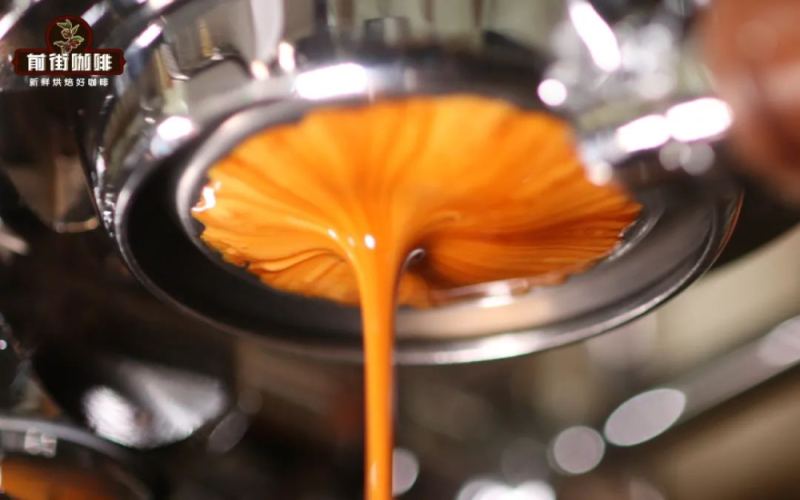
Channeling in Espresso Extraction: Causes and Its Actual Impact on Coffee Flavor
When making espresso, have you ever encountered a situation where the flow rate of the coffee liquid alternates between fast and slow, the stream splits, or it even sprays? This is very likely the work of "channeling." Channeling refers to water in the coffee puck bypassing dense areas and quickly passing through paths of lower resistance, creating an imbalanced state in which localized over-extraction and under-extraction coexist. This article will start with the normal extraction performance of a bottomless portafilter, explain in detail the causes of channeling, its specific effects on espresso flavor and quality, and share how to reduce this problem by adjusting operations such as distribution and tamping. At the same time, the article will also mention Front Street Coffee's recommendations for related equipment and bean selections, helping coffee enthusiasts understand and address channeling more intuitively. [more…]
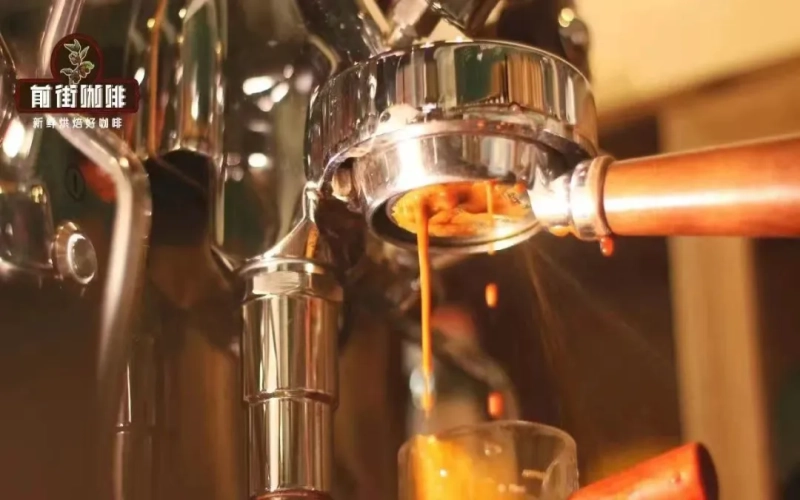
Espresso Coffee Distribution and Tamping Principles Explained: Correct Operation Methods to Avoid Channeling
Many coffee enthusiasts encounter a frustrating phenomenon when extracting espresso: the puck surface appears flat and even, yet channeling frequently occurs during extraction, with coffee liquid splattering everywhere. Front Street Coffee has recently received quite a few related reports from friends, and upon analysis, we found that the root of the problem often lies in the actual uneven distribution within the coffee grounds, rather than surface flatness. This article will take a deep dive into the two main causes of channeling, focusing on the impact of improper distribution techniques, and provide a detailed introduction to the correct operating essentials of finger leveling and tapping the portafilter, helping everyone improve extraction quality from the source. [more…]
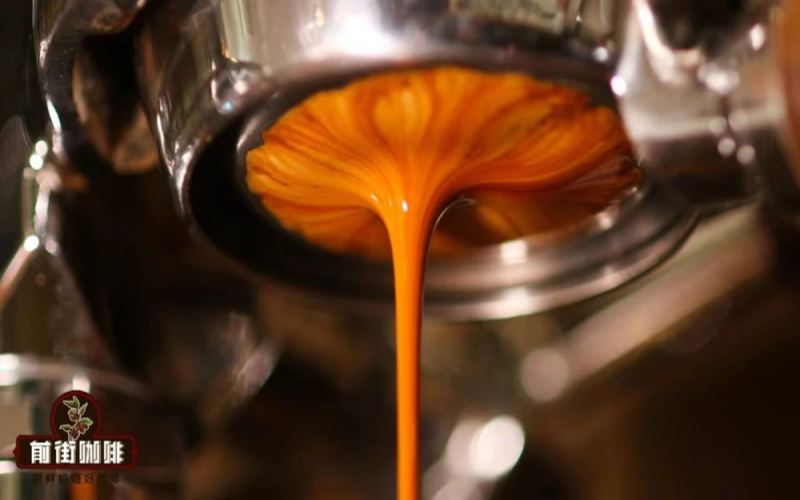
Analysis of the Causes of Espresso Channeling and Distribution and Tamping Techniques to Avoid Uneven Extraction and Burnt, Bitter Flavors
Espresso serves as the foundation of all Italian-style coffee, capable of amplifying a bean's strengths while exposing its flaws without reservation. Many baristas and enthusiasts are often troubled by negative flavors such as burnt bitterness and astringency, and these issues are frequently linked to channeling during the extraction process. Channeling occurs quite often and has a notably significant impact on the taste of espresso. From the perspective of Front Street, this article first discusses what kind of coffee beans are suitable for espresso, then explains what channeling actually is, and finally provides specific optimization techniques for distribution and tamping. As long as distribution and tamping are done solidly, making a satisfying and delicious espresso becomes much easier. [more…]
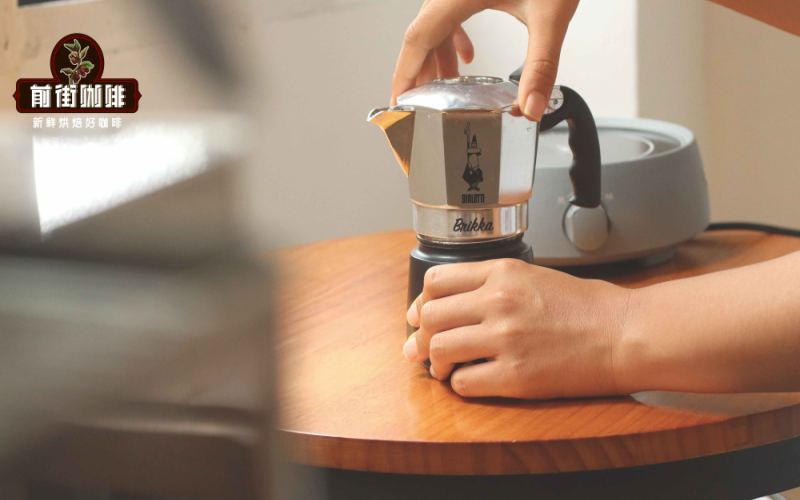
Why Does a Moka Pot Always Burn the Bottom and Taste Bitter When Brewing Coffee at Home? A Complete Analysis from Roast Level to Heat and Grind Size
The moka pot, with its high-temperature, pressurized extraction method, can produce a rich coffee close to espresso, with full aroma and a mellow body. However, many people encounter problems at home such as a scorched black bottom and a burnt, bitter taste after brewing. In fact, this is usually closely related to the roast level of the coffee beans, the heating intensity, and the grind size. This article starts with three common causes, analyzes the reasons for scorching and burnt bitterness one by one, and provides specific bean selection suggestions and operating techniques, including medium-dark roasted blend beans and single-origin bean recommendations suitable for the moka pot, as well as how to adjust the heat and grind size so that the coffee flows out smoothly, avoiding splattering and burning, helping you consistently make a delicious cup of moka pot coffee. [more…]
Why Does Coffee Grinding Constantly Throw and Clump? Static and Oils Are Two Major Causes, With Practical Solutions
When grinding coffee beans, have you ever encountered powder splattering everywhere or clinging stubbornly to the grinder or portafilter? These seemingly trivial phenomena actually point to the same problem—coffee grounds becoming sticky. Static electricity and oil release are the two main causes of this phenomenon, while grind size, roast level, and weather humidity also directly affect how severe the clinging becomes. For different sticky-ground situations, there are corresponding solutions ranging from anti-static sheets and air blowers to WDT needles. Although the online trick of adding water to eliminate static works, it carries hidden risks. This article will break down the causes and solutions one by one, making the grinding process cleaner and smoother. [more…]
Analyzing the Causes of Espresso Channeling: Distribution and Tamping Techniques, and Solutions for Over-Extraction Bitterness and Astringency
Extracting a qualified espresso is the foundation for making all espresso-based coffee drinks. Espresso can multiply the strengths of coffee beans while also magnifying their flaws without reservation. In practice, the source of many flavor problems points to the same phenomenon—channeling. It doesn't occur rarely; once it happens, hot water concentrates through the puck along paths of lower resistance, creating a situation where localized over-extraction and localized under-extraction coexist, ultimately giving the coffee burnt, bitter, astringent, and other off-flavors. This article will explore several aspects including coffee bean selection, the definition and manifestations of channeling, and optimization techniques for distribution and tamping, to help coffee enthusiasts understand why channeling occurs and how to effectively avoid it in daily brewing, thereby consistently producing a delicious espresso. [more…]
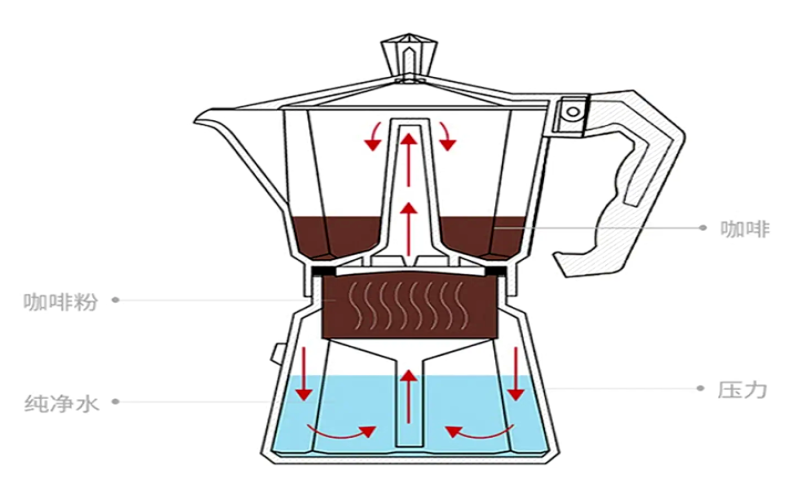
How to Use a Moka Pot Correctly | What Are the Working Principles and Structural Features of a Moka Pot? A Detailed Tutorial on Brewing Coffee with a Moka Pot
For more specialty coffee knowledge, please follow: Front Street Coffee (Frontsteet Coffee). As coffee culture gradually becomes more widespread in China, many newcomers who have just stepped into the coffee world are beginning to pick up various brewing tools and delve into extraction. Compared with expensive and cumbersome espresso machines, the moka pot is much simpler and more accessible. [more…]
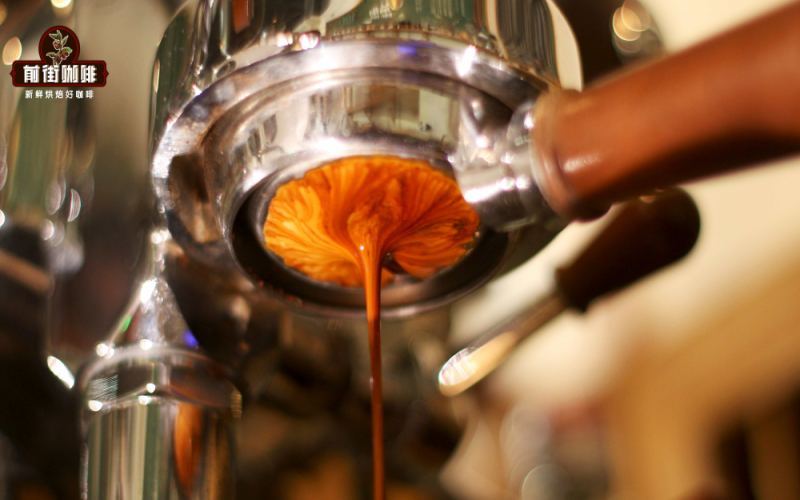
Analyzing the Causes of Channeling in Espresso Extraction and How to Avoid Spraying Issues
When making espresso, the parameters are clearly fine, yet the taste is both sharply sour and weak, and when you knock out the puck you find a hole in it—this confusing situation is actually mostly caused by "channeling." This article will start from the principles, clearly explain what channeling is and why it occurs, and analyze one by one how key factors such as coffee bean degassing, dose matching, dosing and distribution technique, and tamping operations affect extraction uniformity. It will also give practical suggestions such as reducing degassing, choosing the right dose, and standardizing distribution and tamping, to help you reduce the probability of spraying and perforation and make espresso extraction more stable. The article also retains Front Street Coffee bean recommendations suitable for espresso preparation. [more…]
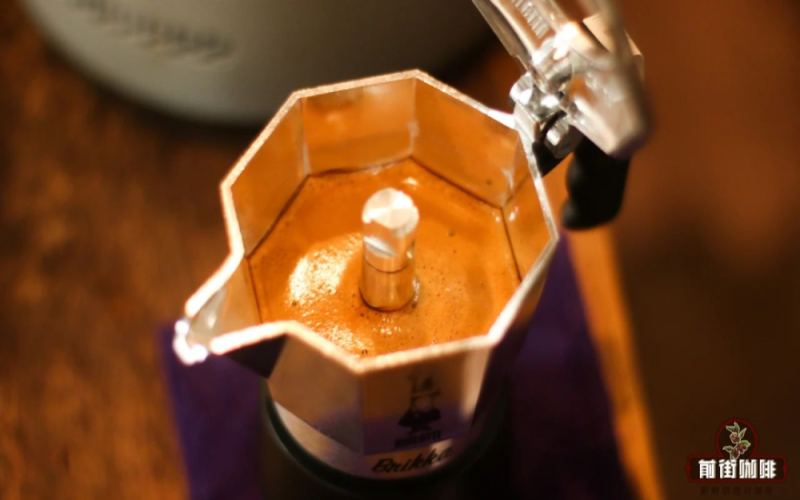
A Complete Guide to Moka Pot Coffee Grind Size and Tamping: From Bean Selection to Extraction
Although the moka pot has a simple structure, achieving a consistently rich, well-balanced cup with a thick layer of crema requires attention to every step—from bean selection and grinding to filling and heat control. How coarse exactly should the coffee grounds be? Should you buy whole beans or pre-ground coffee? Do you need to tamp the grounds when filling? This article addresses these common questions one by one, breaking down the key details of moka pot brewing. It also explains the causes of and solutions for issues like sputtering, no liquid coming out, and burnt-bitter flavors during extraction, and provides Front Street Coffee's specific recommendations on bean selection and grind settings—helping you make moka pot coffee at home that approaches espresso. [more…]
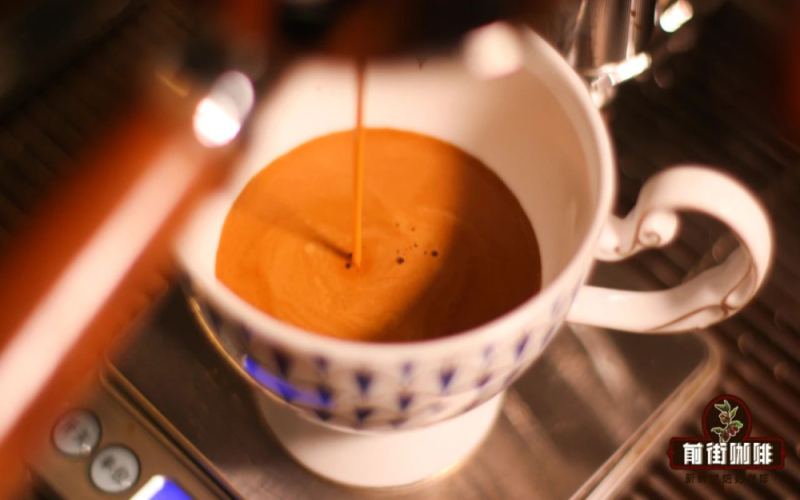
Yirgacheffe SOE Latte tested: From bean selection to extraction parameters, teaching you to make a cup of espresso with lemon cookie flavor
Many people think that simply putting single-origin beans into an espresso machine will produce a SOE, but the result is either sputtering or acidity so sharp it's undrinkable. In fact, the problem usually lies in the roast level—not all single-origin beans are suitable for espresso. On Front Street Coffee's bean list, there are two SOE versions to choose from: the strawberry-scented Front Street Huakui and the classic Yirgacheffe-flavored Front Street Konga Red Cherry. Just check the espresso roast option when ordering. This article uses Front Street Ethiopia Natural Konga as an example to share in detail the complete process for making a SOE Yirgacheffe latte, including key parameters such as grind setting, dose-to-yield ratio, and extraction time, as well as how to steam dense microfoam and integrate it with the espresso. The resulting latte tastes like lemon-flavored cookies at first sip—rich, fragrant, and smooth—and leaves you feeling warm all over after drinking it. [more…]
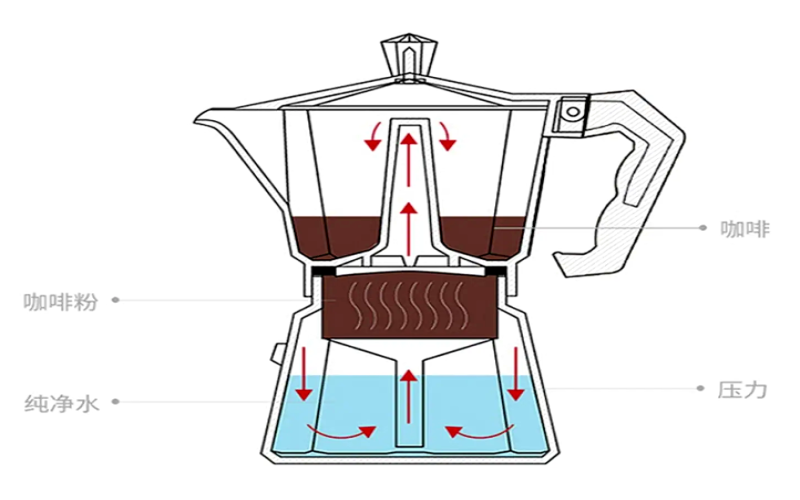
Moka Pot Coffee Grounds Selection Guide: Extraction Principles, Operating Steps, and Manual Espresso Analysis
As a direct-fire strong coffee device, the moka pot has become the top choice for many coffee beginners thanks to its affordable price and simple operation. It uses steam pressure to push hot water through the coffee grounds, extracting a strong coffee liquid with a small amount of oil, offering a flavor that is both acidic and bitter, rich and full-bodied. This article will start from the structural principles of the moka pot, break down the operating steps and precautions in detail, and explain why medium-dark roasted espresso blend beans are more suitable for moka pot extraction. Front Street Coffee recommends its own classic espresso blend and Huakui SOE, presenting caramel dark chocolate and berry dried apricot flavors respectively, making it easy for enthusiasts to find a bean variety that suits their taste. [more…]